Dementia and Alzheimer's Services: Tailored Memory Care Help
Memory care programs serve an important role in assisting individuals with Alzheimer's and dementia. These specialized programs concentrate on enhancing quality of life through customized treatment approaches and trained staff. They establish safe environments that promote cognitive engagement and social interaction. Understanding the essential features of these services can help families manage the complexities of care. What specific elements contribute to their effectiveness, and how can families best engage in this journey?
 }
}Exploring Memory Care Options and the Ways They Can Benefit Families?
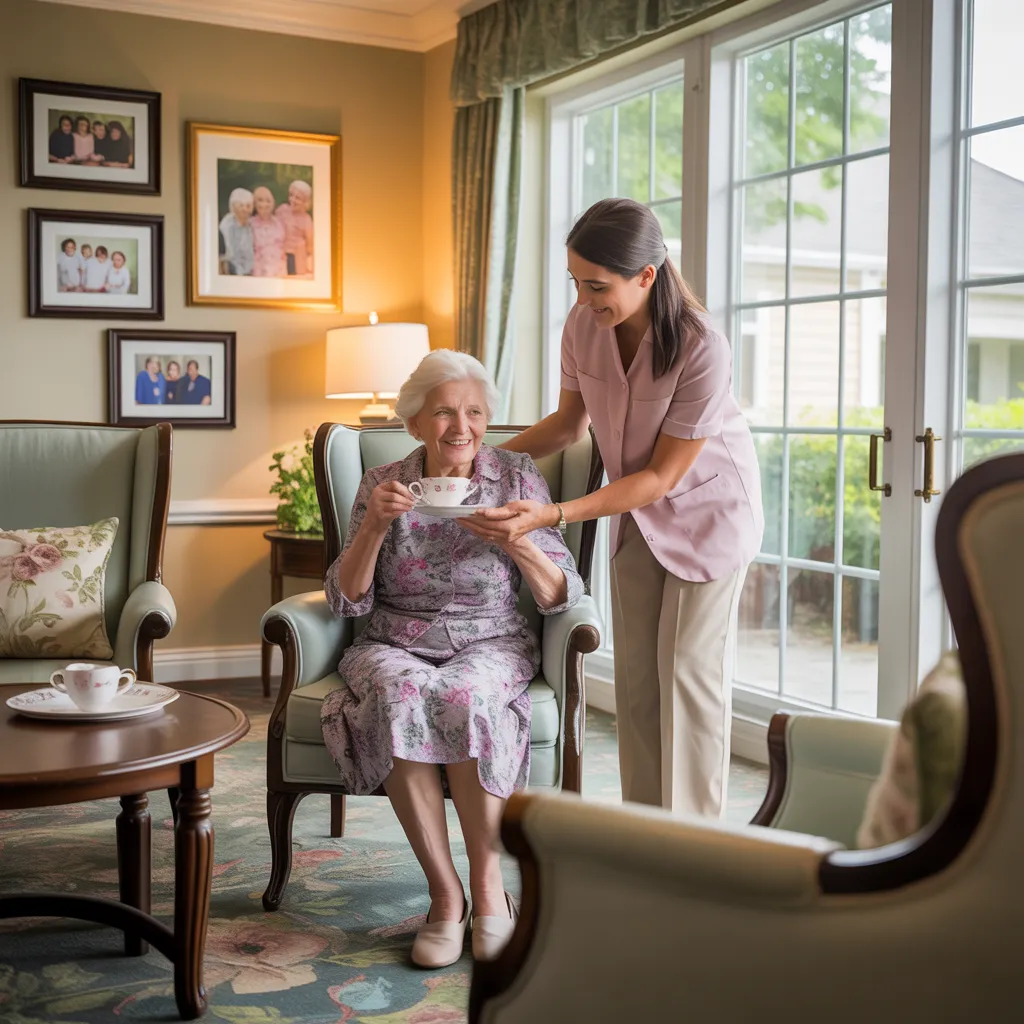
How precisely do memory care programs work, and in what ways can they help families coping with the challenges of mental deterioration? Memory care services are individualized services designed to help people with Alzheimer's disease, dementia, and other neurological conditions. These programs deliver a structured environment tailored to fulfill the particular requirements of residents, promoting safety, engagement, and dignity.
Families often encounter practical and emotional difficulties when looking after loved ones dealing with cognitive decline. Memory care facilities provide support through trained staff who understand the complexities of these conditions. This encompasses developing personalized care plans, overseeing proper medication administration, and facilitating social interactions.
The environment in memory see information on this care settings is specifically designed to reduce confusion and encourage autonomy, allowing individuals to engage in meaningful activities. By offering respite for caregivers, memory care services enable loved ones to concentrate on their well-being while knowing their loved ones are in a secure, caring setting.
Essential Traits of High-Performing Memory Care Services
Successful memory care programs incorporate several essential features that enhance the wellbeing for residents. First, individualized care plans are critical, as they tackle each resident's unique needs, preferences, and challenges. These plans are frequently revised to reflect any shifts in health status. Additionally, qualified caregivers provide expert assistance, ensuring that caregivers understand the complexities of Alzheimer's and dementia.
Moreover, participating in activities designed to strengthen cognitive function and support social interaction matter greatly. Programs typically offer memory drills, arts and crafts, and music therapy, building a communal feeling for participants. Safe and secure environments are also important, helping participants to move about with confidence while minimizing the risk of accidents.
In conclusion, family participation is encouraged, forming a network of support that helps residents feel connected. Together, these features contribute to a holistic model that prioritizes dignity, comfort, and well-being.
How Do Memory Care Settings Enhance Security and Well-being?
Memory care facilities are developed with numerous protective measures that markedly enhance residents' comfort and general welfare. These spaces generally incorporate protected floor plans that minimize disorientation and wandering, guaranteeing that residents can navigate without the risk of becoming disoriented. Non-skid surfaces, handrails, and brightly lit common areas further contribute to a safe atmosphere.
In addition, senior care settings typically use calming colors and familiar decor to produce a soothing ambiance. This well-planned design alleviates tension and promotes a sense of belonging. Garden areas are important, granting guests time in natural settings, which studies show lift spirits and overall health.
Emergency response systems and staff educated on safety protocols guarantee that help is readily available when needed. By focusing on these elements, memory care environments emphasize the safety and comfort of residents, enabling them to thrive in a caring environment tailored to their unique needs.
What Well-Trained Staff Contribute as a Change in Memory Care
While the physical space functions as an critical role in elderly care, the expertise and kindness of dedicated workers are similarly essential to advancing residents' quality of life. Trained professionals understand the complexities of Alzheimer's and dementia, implementing specialized techniques to engage effectively with residents. Their competence to recognize individual needs permits personalized care, cultivating a sense of security and trust.
In addition, staff members are equipped to address challenging behaviors, using understanding and compassion to mitigate emergencies. They organize enriching activities designed for resident preferences, promoting cognitive stimulation and social interaction. Regular training assures that team members remain well-informed regarding industry best practices and cutting-edge methods in dementia support.
This information not only improves the emotional health of occupants but also supplies household members with peace of mind in the treatment their loved ones receive. At last, the commitment and expertise of experienced personnel produce a substantial impression on the complete experience of clients managing cognitive decline.
Families' Involvement in Memory Care: Recommended Practices
Bringing family members into memory care is critical for improving the well-being of individuals struggling with memory difficulties. Skilled communication strategies and systematic family participation activities can solidify these relationships, promoting a caring environment. By stressing family engagement, healthcare professionals can more adequately address the individual requirements of every individual.
Effective Dialogue Strategies
Effective communication strategies play an crucial role in enhancing the quality of care for individuals with cognitive difficulties. Clear, simple language is fundamental; care providers and loved ones should speak slowly and use known vocabulary to prevent misunderstanding. Body language signals, such as physical movements and expressions, can significantly enhance comprehension and promote emotional connections. Active listening is critical; caregivers should provide complete focus, acknowledging emotions and responding thoughtfully. Additionally, maintaining a calm and patient demeanor helps establish a nurturing atmosphere. Uniformity in daily practices and interaction methods also assists individuals with cognitive challenges, as it strengthens familiarity. Overall, these approaches not only enhance exchanges but also strengthen relationships, ensuring that individuals feel valued and understood throughout their care journey.
Family Interaction Programs
In memory care, family engagement is essential as it greatly enhances the well-being of individuals experiencing cognitive challenges. Inviting family members to participate in activities encourages emotional connections and creates a supportive environment. Recommended practices include setting up regular family visits that encourage meaningful interactions, such as sharing stories or joining in therapeutic games. Further, family members can contribute to care planning, ensuring their loved ones’ preferences and histories are honored. Educational workshops also provide families with knowledge about Alzheimer’s and dementia, arming them to better support their loved ones. Ultimately, steady family involvement not only enhances the quality of care but also builds stronger relationships, cultivating a sense of belonging for those in memory care settings.
Kinds of Memory Support Possibilities Ready to Use
Multiple memory care options are offered to fulfill the individual requirements of individuals dealing with mental decline. These solutions stretch from focused care facilities to in-home care services. Memory care facilities deliver a protected space with knowledgeable caregivers to aid residents in daily activities, foster socialization, and participate them in therapeutic memory programs.
Residential care services allow individuals to get personalized support in comfortable settings, supplying social interaction and assistance with routine chores while sustaining self-reliance.
Adult day programs constitute a passing remedy, providing scheduled activities and human interaction during daytime hours for those who demand supervision.
Also, respite care provides short-term breaks to family caregivers, guaranteeing their family members receive professional care while care providers get a rest.
Each selection meets to different degrees of requirement, guaranteeing that people suffering from Alzheimer's and dementia receive the proper care customized for their particular situations.
Monetary Factors of Cognitive Care Facilities
As individuals and families work through the complexities of memory care services, financial considerations become a essential component of the decision-making process. The expenses related to memory care can differ significantly, based on elements such as the amount of care needed, facility location, and available amenities. Monthly fees for memory care facilities often span between several thousand to over ten thousand dollars.
Families ought to scrutinize insurance options, including long-term care insurance, Medicare, and Medicaid, as these can determine out-of-pocket expenses. Additionally, grasping potential hidden costs—such as therapy services or specialized activities—is essential.
Creating a financial plan for future care needs is critical, as the movement of Alzheimer's or dementia may necessitate increased levels of support. Considering funding opportunities and area-based resources can also furnish assistance. Ultimately, a exhaustive financial plan warrants that families can maintain the quality of care their loved ones deserve.
Questions Commonly Asked
How Long Does a Standard Memory Care Facility Last?
Memory care programs typically continue for varying periods of time, often stretching from several months to years, influenced by individual needs, the severity of cognitive decline, and the particular targets established by caregivers and healthcare professionals.
How Can I Pick the Appropriate Memory Care Facility for My Loved One?
Finding the best memory care facility means researching options, visiting locations, assessing staff expertise, evaluating security features, understanding available activities, and considering the facility's environment to verify it corresponds to the loved one's needs.
Are Memory Care Services Paid for by Medicare or Insurance?
Memory care services may be partially covered by Medicare, typically for brief periods of care. However, long-term care often demands private insurance or direct expenses, causing families to investigate multiple solutions for financial assistance.
Which Engagements Are Offered in Memory Care Facilities?
Memory care programs usually provide pursuits such as art therapy, music sessions, exercise classes, cognitive games, gardening, and social events. These activities aim to enhance residents' cognitive functions, promote social interaction, and improve overall well-being.
What Are the Most Effective Methods to Communicate Effectively With Someone With Alzheimer's or Dementia?
Clear communication with someone living with Alzheimer's or dementia involves choosing simple language, sustaining eye contact, using a slower speaking rate, and exercising patience. Non-verbal cues, such as gestures and expressions, can improve clarity and connection.